The Role of APIs in Modern Software and Digital Services
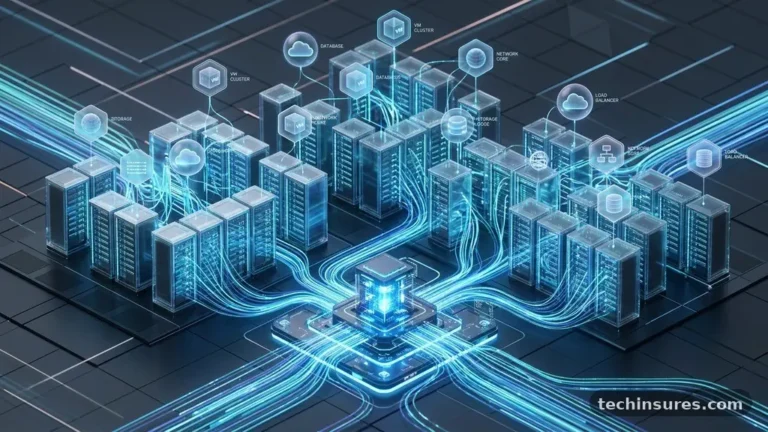
Understanding the role of APIs in modern software and digital services is essential for grasping how our connected world functions today. These interfaces act as the invisible glue that allows disparate applications to communicate, share data, and perform complex tasks without requiring manual intervention from users.
By standardizing how one program requests information from another, they have transformed from niche developer tools into the backbone of the global digital economy. Whether you are checking the weather on your phone or processing a credit card payment, you are interacting with these vital conduits every single day.
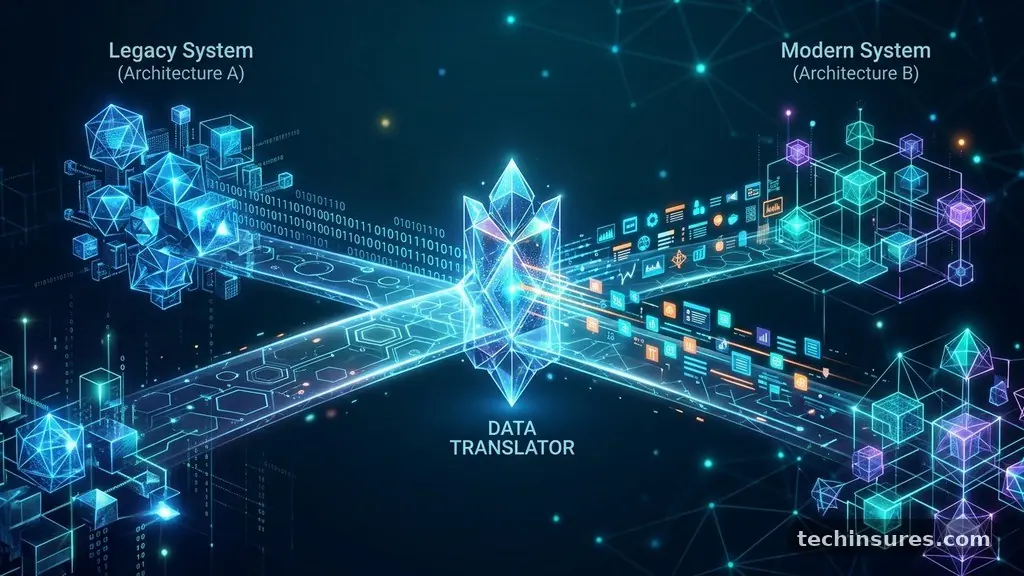
How APIs Function as Digital Translators
At their core, these interfaces serve as a bridge between two distinct software systems. Imagine a restaurant where the customer is the user, the kitchen is the backend system, and the waiter is the API.
The customer does not need to know how the stove works or where the ingredients are stored to get their meal. They simply provide an order through the waiter, who delivers the request to the kitchen and brings the finished product back.
In the digital realm, this process involves sending a request from an application to a server using a specific language. The server processes this request, retrieves the necessary data from a database, and sends a response back in a format the application can understand.
This abstraction is critical because it keeps the internal logic of the server hidden from the client. Security is maintained because the client never gains direct access to the underlying database or the server’s core operating environment.
This separation of concerns allows developers to update or replace internal systems without breaking the client-side experience. If a company decides to switch its database technology from SQL to NoSQL, the API remains the constant interface that the mobile app or web platform relies on.
As long as the input and output formats stay consistent, the end-user remains blissfully unaware of the heavy lifting occurring behind the scenes. This modularity is a defining characteristic of modern software architecture.
Enabling Interoperability Between Disparate Systems
The primary value of these interfaces lies in their ability to make different systems talk to one another, even when they were built using different languages or platforms. Without them, every piece of software would essentially be a walled garden, unable to exchange information with the outside world. This interoperability is what allows a travel website to pull flight prices from twenty different airlines simultaneously.
Consider the complexity of a modern e-commerce platform. It must calculate tax rates based on location, process payments through a bank gateway, manage shipping logistics via a courier’s system, and display maps for address verification.
Each of these functions is likely handled by a specialized service provider. These services expose their functionality through public interfaces, allowing the e-commerce site to integrate them into a single, unified experience.
This ecosystem approach reduces the time-to-market for new startups. Instead of building a payment processing engine from scratch—a task that takes years of security auditing and engineering—a developer can integrate a service like Stripe in a matter of hours.
This shift has fundamentally changed the economics of software development. It enables lean teams to build complex products by standing on the shoulders of giants.
The Critical Importance of Data Security
While these interfaces are gateways for information, they must also be fortresses. Because they expose internal functionality to the outside world, they are natural targets for malicious actors. Effective security protocols are therefore a fundamental part of the role of APIs in modern software and digital services.
Most systems now rely on token-based authentication to verify the identity of the requester. When an application makes a call, it includes a digital “key” that tells the server it has permission to access the requested data. OAuth 2.0 has become the industry standard for this process, providing a secure way for users to grant an app access to their data without sharing their actual passwords.
Rate limiting is another essential security practice. By restricting the number of requests a specific user or application can make within a given timeframe, providers protect their servers from being overwhelmed by traffic spikes or denial-of-service attacks. Encryption also plays a vital role in transit.
By enforcing HTTPS, systems ensure that the data being sent back and forth cannot be intercepted or read by third parties. You can learn more about these standards through the World Wide Web Consortium, which oversees many of the protocols that keep the internet secure and functional.
Types of Interfaces Used in Development
Not all connections are built the same way. Developers choose different architectures depending on the specific requirements of their project, such as performance, ease of use, or the complexity of the data involved. Understanding the differences is key to choosing the right tool for the job.
| Interface Type | Primary Strength | Common Use Case |
|---|---|---|
| REST | Simplicity and Scalability | Web services and mobile apps |
| GraphQL | Precise Data Fetching | Complex, data-heavy dashboards |
| SOAP | High Security and Reliability | Banking and enterprise finance |
| gRPC | High-Speed Performance | Microservices communication |
REST remains the most popular choice for general-purpose web development because it is lightweight and uses standard HTTP methods. However, GraphQL has gained significant traction by allowing clients to request exactly the fields they need, reducing bandwidth usage.
SOAP is still used in sectors where strict standards and formal contracts are required, such as government or legacy financial institutions. Meanwhile, gRPC is increasingly favored by organizations running massive, distributed systems that require near-instantaneous communication between services.
Accelerating Innovation Through Ecosystems
The proliferation of these tools has turned software into a commodity that can be assembled like building blocks. When a company opens its services to developers, it creates a platform effect. This is how platforms like Salesforce or Shopify became dominant; they didn’t just provide a product, they provided an infrastructure that thousands of other developers could build upon.
This expansion has led to the rise of the “API Economy.” Businesses now generate significant revenue by selling access to their data or services.
For example, a weather forecasting firm might charge a subscription fee for developers to pull their high-accuracy data into their own apps. This model creates a virtuous cycle where the provider earns revenue, and the developer gains access to data that would be impossible to collect independently.
This approach also fosters a culture of rapid iteration. Because developers do not need to reinvent the wheel, they can focus their creative energy on the specific features that differentiate their product.
If a feature can be sourced from a third party, the team saves months of engineering time. This flexibility is what allows modern software to evolve so quickly.
Common Challenges in Implementation
Despite their benefits, managing these connections is rarely simple. As the number of services within a business grows, maintaining a consistent standard becomes a massive logistical challenge. This is often referred to as “API sprawl,” where a company has dozens of different interfaces that don’t talk to each other, use different authentication methods, or have inconsistent documentation.
Documentation is perhaps the most overlooked aspect of the process. If a developer cannot figure out how to call a function, the interface is effectively useless.
High-quality documentation requires clear examples, defined error codes, and a sandbox environment where developers can test their code without affecting live production data. Without these, adoption rates plummet, and the cost of supporting users skyrockets.
Versioning is another major hurdle. When a team updates their system, they risk breaking the apps that rely on their interface.
Careful version control is required to ensure that old applications continue to function while new ones take advantage of updated features. This often requires running multiple versions of the same system in parallel, which adds complexity and cost to the server infrastructure.
The Future of Automated Interconnectivity
Looking ahead, we are seeing a shift toward more automated and intelligent systems. Artificial intelligence is beginning to play a role in how these interfaces are generated and managed. Machine learning models can now analyze traffic patterns to automatically suggest optimizations for rate limiting or security.
We are also seeing the rise of “headless” architectures, where the frontend interface is completely decoupled from the backend services. This allows developers to build experiences for watches, smart speakers, and web browsers simultaneously, all drawing from the same underlying data source.
This level of flexibility was unimaginable just a decade ago. It marks a transition toward a more fluid, multi-platform digital environment.
As we move toward this future, the focus will likely shift to standardization. The more that organizations align on shared protocols, the easier it will be to build truly interconnected systems. This will eventually lead to a state where systems can “discover” each other and negotiate connection parameters automatically, further reducing the friction of digital integration.
Frequently Asked Questions
What is the main role of an API?
The primary role is to act as a standardized intermediary that allows two different software systems to communicate, share data, and execute commands without needing to understand the underlying code of the other system.
Why are these interfaces critical for business?
They enable businesses to integrate third-party services, such as payment processing or mapping, into their own applications quickly, which significantly reduces development costs and time-to-market.
What are the most common security risks?
Common risks include unauthorized access due to weak authentication, data exposure from poorly configured endpoints, and denial-of-service attacks that overwhelm the system with excessive requests.
How do developers ensure their services stay reliable?
Developers use tools like versioning to manage updates, implement rate limiting to prevent abuse, and provide comprehensive documentation to help users integrate and troubleshoot issues effectively.
What is the difference between REST and GraphQL?
REST is based on fixed endpoints that return a specific structure, while GraphQL allows the client to define the exact data structure they need, which often makes it more efficient for complex applications.
Key Takeaways for Digital Success
The role of APIs in modern software and digital services cannot be overstated. They are the essential infrastructure that powers our interconnected lives, enabling innovation by allowing developers to build on existing, specialized technologies. Whether you are a developer looking to integrate new tools or a business leader evaluating potential partnerships, understanding these systems is key to success.
Focus on building or selecting interfaces that are well-documented, secure, and easy to scale. By prioritizing these factors, you can ensure your digital services remain robust as the landscape continues to evolve.
As the technology matures, keep an eye on emerging standards and automation trends that will make integration even more fluid. Embracing this architectural approach is the best way to remain competitive in an increasingly digital world.