A Practical Guide to Managing Software Subscriptions
Implementing a practical guide to managing software subscriptions is the most effective way to recover lost capital and regain control over your digital overhead. Many individuals and small businesses lose track of recurring charges, leading to “zombie subscriptions” that drain accounts for tools no longer in use.
By auditing your current software stack and centralizing your payment tracking, you can significantly reduce your monthly burn rate. This article provides a clear, actionable framework for identifying redundant expenses, optimizing your SaaS footprint, and ensuring every dollar spent on software provides genuine value to your daily operations.
Identifying Hidden Recurring Costs
The first step in any effective subscription management strategy is performing a comprehensive audit of your bank and credit card statements. Most people only notice the largest recurring bills, but the true damage often comes from dozens of small, forgotten charges. You should look for transactions spanning the last 12 months to catch annual renewals that might have slipped your mind.
Many users fall into the “subscription trap” where they sign up for a free trial and forget to cancel before the billing period kicks in. Once the payment hits your account, it often blends into your monthly expenses until you realize you haven’t opened the software in months. You should prioritize identifying these specific “zombie” accounts immediately.
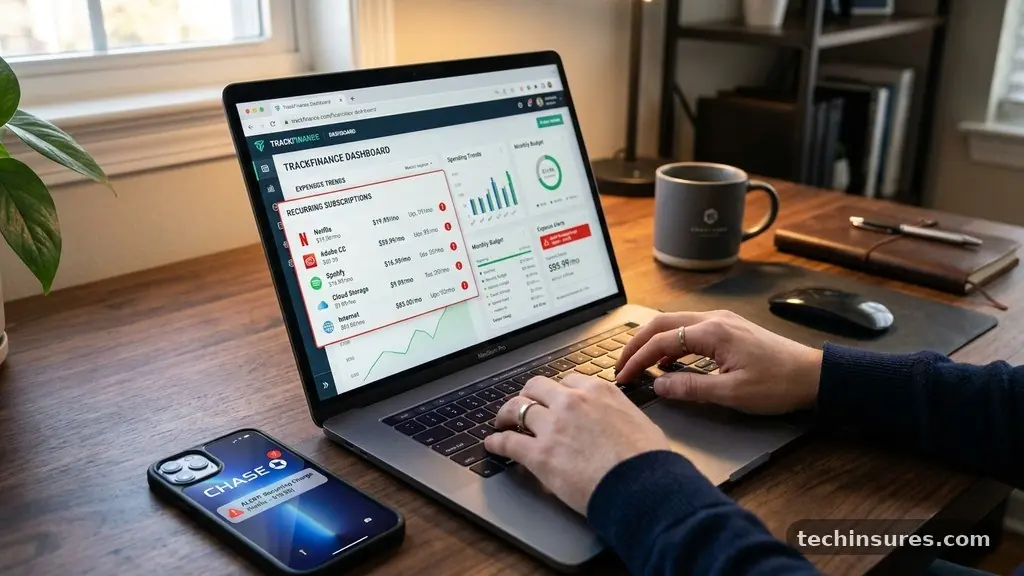
Create a master list of every active service you pay for, including the date of the next renewal and the exact cost. You can keep this in a simple spreadsheet or a dedicated tracking app. Having this data in one place allows you to see the aggregate cost of your software ecosystem at a glance.
Categorizing Your Software Inventory
Once you have your list, you must categorize every tool based on its utility and necessity. Not all subscriptions are created equal, and some represent essential infrastructure while others are purely experimental. Sorting them into categories helps you make quick decisions about what to keep, what to downgrade, and what to cut entirely.
Consider using a table to visualize your current commitments. This format makes it much easier to compare the cost-to-value ratio of each service.
| Software Category | Business Priority | Action Required |
|---|---|---|
| Core Infrastructure | High | Review annual renewal terms |
| Productivity Tools | Medium | Audit user seats for inactive accounts |
| Experimental Apps | Low | Cancel unless actively used |
| Duplicate Services | None | Consolidate into one primary tool |
By looking at your software through the lens of priority, you stop viewing every payment as an inevitable cost of doing business. Some tools, like project management platforms or accounting software, are often duplicated across teams. Eliminating these redundancies is the fastest way to save money without sacrificing actual productivity.
Evaluating Pricing Models and Tiers
Software companies frequently offer multiple pricing tiers designed to capture different types of users. You might be paying for a “Pro” or “Enterprise” plan when a “Standard” or “Individual” tier would satisfy your actual requirements. Reviewing your usage statistics is essential before you decide to continue paying for a premium subscription.
Most platforms provide a dashboard that shows your storage usage, API calls, or seat utilization. If you are only using 10% of your allocated credits, you are overpaying for capacity you don’t need. Contacting customer support to request a downgrade is a standard practice in the SaaS industry.
Don’t be afraid to ask for a discount if you are a long-term customer who is considering cancellation. Many companies have retention teams authorized to offer lower rates or extended terms to prevent churn. A simple email asking if there are any loyalty programs available can sometimes result in a 10% to 20% reduction in your annual bill.
Consolidating Your Payment Methods
Managing subscriptions becomes infinitely harder when charges are scattered across multiple credit cards, PayPal accounts, and direct bank debits. Centralizing your payments provides a single source of truth for your financial health. If possible, designate one primary card for all software expenses so you can track the total spend with a single statement.
Using a virtual card service can add an extra layer of security and control. These services allow you to generate unique card numbers for each subscription, which you can pause or delete instantly. If a company makes it difficult to cancel, you can simply deactivate the virtual card to stop future billing cycles.
Be aware that some legacy services still rely on older billing systems that might not support modern virtual cards. Always keep a backup payment method on file for mission-critical software, but keep it separate from your primary spending account. This prevents a subscription renewal from accidentally draining your personal savings or business operating capital.
Leveraging Automated Management Tools
If your software stack is extensive, manual tracking will eventually fail. Several dedicated subscription management platforms exist to automate this process by scanning your connected accounts for recurring charges. These tools categorize your spending, provide alerts for upcoming renewals, and sometimes even negotiate lower prices on your behalf.
Before connecting your bank accounts to any third-party app, ensure the provider uses bank-grade encryption and has a strong reputation for data privacy. You can find more information on data security standards through the Federal Trade Commission’s guidance on online financial safety. Always check the privacy policy to ensure your financial data is not being sold to third-party advertisers.
Automation is particularly useful for teams that need to track seat management across a department. When an employee leaves, it is easy to forget to revoke their access to various cloud tools. Automated software management ensures that you aren’t paying for “ghost” users who no longer require access to your systems.
Establishing a Recurring Audit Schedule
The most common mistake users make is treating a practical guide to managing software subscriptions as a one-time project. Software needs change, and the features you find valuable today might become obsolete by next year. You should schedule a recurring audit at least every six months to keep your expenses in check.
Mark these dates on your calendar just as you would a business meeting or a tax deadline. During these sessions, go through your list and ask three simple questions for every active service:
- Does this tool still solve a critical problem for me?
- Is there a cheaper alternative that offers similar features?
- Have I used this software in the last 30 days?
If the answer to any of these questions is “no,” it is time to cancel or pause the subscription. Maintaining this discipline prevents the slow creep of “subscription bloat” that can silently erode your financial resources. It turns a reactive, stressful task into a routine administrative check-in.
Common Pitfalls to Avoid
Even with the best intentions, it is easy to fall into traps that make your subscription costs grow uncontrollably. One major issue is the “feature creep” cycle, where you upgrade to a higher tier just to access one minor feature you rarely use. Always weigh the cost of that single feature against the total annual price increase.
Another pitfall is ignoring annual billing discounts. While paying annually saves money, it also locks you into a longer commitment.
If you are unsure whether you will need a tool for the full year, pay monthly for the first three months. Once you are certain the tool provides long-term value, you can switch to an annual plan to capture the discount.
Finally, avoid the temptation to sign up for multiple tools that perform similar functions. It is common to see businesses paying for three different note-taking apps or two separate cloud storage providers. Choose one tool as your primary and migrate your data there, then ruthlessly cancel the others.
Frequently Asked Questions
What is the best way to keep track of all my subscriptions?
The best approach is to maintain a centralized spreadsheet or use a dedicated subscription management app. By connecting your financial accounts to a single dashboard, you can see every recurring payment in one place and receive alerts before renewals occur.
What should I do if a company makes it impossible to cancel?
If a website lacks a clear cancellation button, look for the “billing” or “account” settings page. If you still cannot find it, contact their support team via email so you have a written record of your request. If they refuse to cancel, you can contact your bank to dispute the charge or block future payments from that merchant.
Is it better to pay for software monthly or annually?
Annual billing is almost always cheaper, often offering 15% to 20% savings. However, only choose this option for software you have used consistently for several months. Monthly billing offers more flexibility for experimental tools that you might drop after a short period.
What is a “zombie subscription”?
A zombie subscription is a service that you have stopped using but continue to pay for because you forgot to cancel. These are often the result of free trials that transition into paid plans without a clear reminder. They are a primary target for cost-cutting during a financial audit.
How often should I review my software expenses?
Performing a review every six months is the industry standard for maintaining a lean software stack. This frequency ensures you catch upcoming annual renewals while keeping your total monthly expenditure aligned with your actual needs.
Final Thoughts
Effectively managing your recurring software costs is a vital skill in the digital age. By following a practical guide to managing software subscriptions, you ensure that your money is spent only on tools that actively contribute to your goals. Start by auditing your current expenses, consolidating your payment methods, and setting a recurring date to review your inventory.
This proactive approach prevents waste and allows you to reinvest your savings into areas that provide a higher return. Consistent attention to your subscription ecosystem is the most reliable way to maintain financial clarity and operational efficiency. Take the first step today by identifying just one service you no longer need and canceling it immediately.