
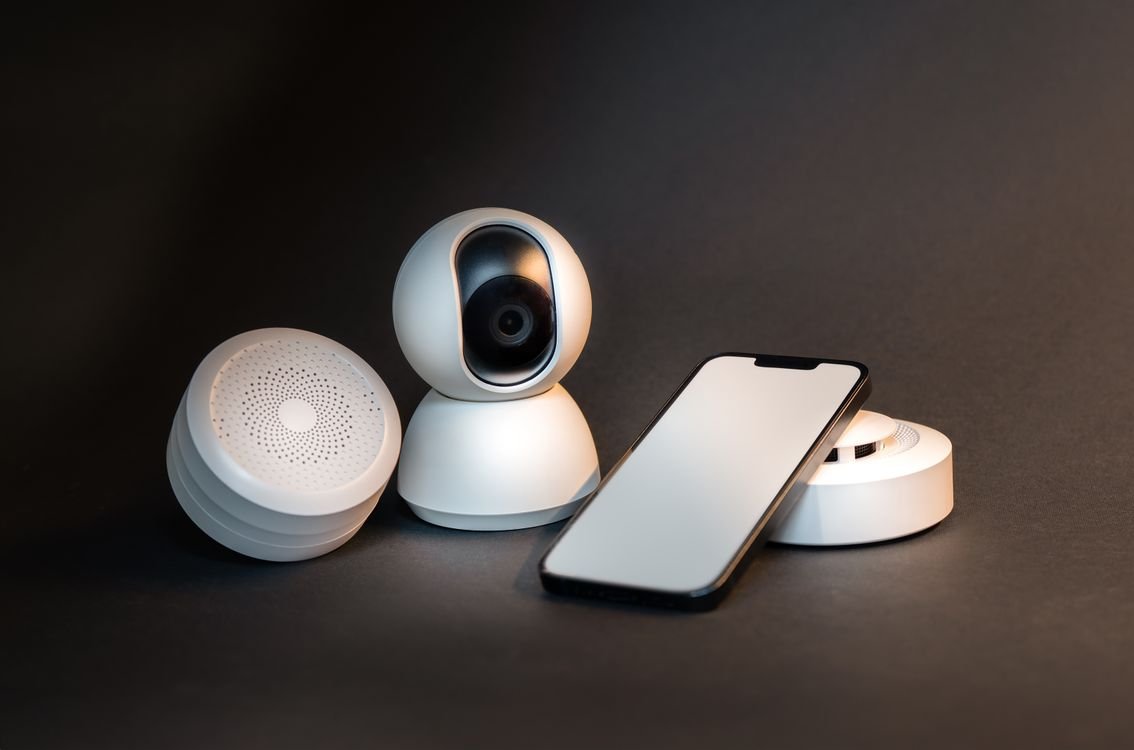
Your lights turn on before you get home. Your thermostat learns when you like the house warm. Your watch counts your steps, your fridge reminds you that the milk is running low, and your car tells your phone when it needs a service. None of these things is magic. They are all part of the Internet of Things, often shortened to IoT, and they are quietly changing how we live, work and travel.
So what is the Internet of Things, exactly? In simple terms, it is a network of physical objects — things — that have sensors, software and an internet connection, so they can collect information, share it with other devices and act on it without you having to press a button every time. A thing can be as small as a temperature sensor in a greenhouse or as large as a connected lorry crossing a country. What matters is that it can sense, communicate and, in many cases, make a decision.
In this guide, we explain how the Internet of Things works, where you already meet it every day, what its benefits and risks are, and what to think about before you buy your next connected device.
What Is the Internet of Things in Simple Terms?
The Internet of Things is the idea that everyday objects can be part of the internet, not just computers and phones. A traditional internet device, such as a laptop, is mainly used by a person to browse, type and click. An IoT device is different: it usually works in the background, sensing the world around it and sending that information somewhere useful.
Take a smart thermostat as an example. It senses the temperature in your home, learns the times when you are usually there, checks the weather forecast online and then decides when to turn the heating on or off. You do not have to tell it what to do each day. It combines sensing, connection and a small amount of decision-making, and that combination is the heart of IoT.
The term itself was first used in the late 1990s, when people started to imagine a world where products could be tracked automatically. At the time, that sounded futuristic. Today, there are billions of connected devices in homes, factories, farms, hospitals and cities, and the number keeps growing as sensors become cheaper and wireless connections become faster and more reliable.
How Does the Internet of Things Work?
Most IoT systems follow the same four steps, even when the devices look very different. Understanding these steps makes the whole idea much easier to follow.
First, a device senses something. A sensor measures temperature, light, movement, humidity, location, heart rate, air quality or dozens of other things. A motion sensor in a hallway, for example, notices when someone walks past. A soil sensor in a field measures how dry the ground is.
Second, the device connects and sends that information. It may use Wi-Fi, Bluetooth, mobile data, Zigbee, Z-Wave, LoRaWAN or another wireless technology, depending on how far the data has to travel and how much power the device can use. A smartwatch uses Bluetooth to talk to your phone. A water meter in a street may use a low-power network that can send small messages over a long distance for years on one battery.
Third, the information is processed. Sometimes the processing happens on the device itself, sometimes in an app on your phone, and sometimes in the cloud — remote computers that store and analyse data from thousands of devices at once. This is where the raw numbers become useful: a temperature reading becomes a decision to turn the heating on, and a series of heart-rate readings becomes a warning to rest.
Fourth, the system acts. It may send you a notification, switch something on or off, adjust a setting or order a replacement part. The action can be automatic, or it can ask you to decide. The best IoT systems do the boring work automatically and only bother you when a human decision is really needed.
Your home network is the foundation for most of this. If your Wi-Fi is weak or unreliable, your connected devices will be too, so it is worth reading our guide on how to choose the right Wi-Fi router for your home before you add many smart devices.
Where You Already Meet the Internet of Things
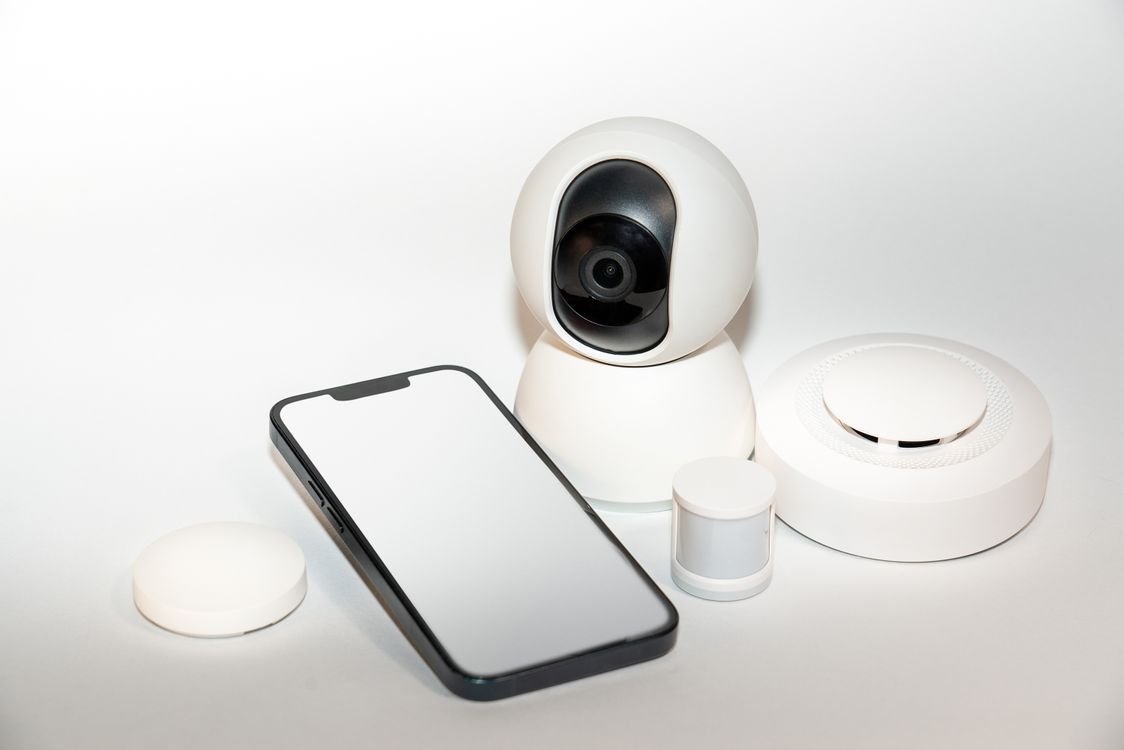
You probably use IoT devices every day without thinking about it. At home, smart speakers, smart lights, video doorbells, robot vacuum cleaners and connected washing machines are all part of the Internet of Things. They save time, they can be controlled from your phone, and they often work together: a doorbell can turn on the porch light, and a speaker can tell you who is at the door.
On your body, fitness trackers and smartwatches measure your steps, sleep, heart rate and workouts, then show the results in an app. Some can detect a fall or an unusual heart rhythm and alert a family member or an emergency service. They are not medical devices for everyone, but they have made personal health data part of everyday life.
In towns and cities, connected traffic lights adjust to real traffic, smart bins tell collectors when they are full, and street lights dim when no one is around. In farming, soil sensors tell farmers exactly when to water, and connected collars track the health of livestock. In factories, sensors on machines can predict when a part is about to fail, so it can be replaced before production stops. In hospitals, connected monitors track patients and equipment, and in shops, smart shelves and self-checkouts keep stock moving.
The Benefits of Connected Devices
The main benefit of the Internet of Things is convenience. Small, repeated tasks disappear: lights switch themselves off, the heating is already right when you arrive, and the front door locks itself at night. Over time, those small savings add up to real time and comfort.
There are also real savings in money and energy. A smart thermostat can cut heating bills by only warming rooms that are in use. Smart plugs can show which appliances use the most electricity. In offices and factories, connected lighting and heating can reduce waste on a much larger scale, and in farming, precise watering can save water and improve crops.
Safety is another benefit. Smoke alarms that alert your phone when you are away, water-leak sensors that warn you before a small leak becomes a flood, and connected car systems that call for help after a crash all use the same idea: a sensor notices a problem quickly and tells the right person straight away.
For businesses, IoT data can improve decisions. A delivery company can track its vehicles and plan better routes. A shop can see which products sell fastest. A hospital can find equipment quickly instead of searching for it. Data that used to be guessed at can now be measured.
The Risks and Downsides You Should Know
Connected devices are not without problems, and it is important to be honest about them. The biggest risk is security. Every connected device is a possible way into your home network. Cheap devices with weak passwords, old software or no updates at all are easy targets for attackers, who can use them to spy, to steal information or to attack other systems. That is why you should always change default passwords, keep software up to date and only buy devices from brands that provide security updates.
Privacy is the second concern. IoT devices collect a lot of personal information: when you are at home, how you sleep, where you travel and what you say near a smart speaker. That data is useful, but it is also sensitive. Before you buy a device, check what data it collects, where it is stored and whether you can delete it. If a device asks for more information than it needs to work, think twice.
There are practical downsides too. Devices can stop working when the internet goes down, when a company closes its service or when an app is no longer updated. A smart lock that depends on the cloud is no use in a power cut, and a connected appliance can become expensive waste if its maker stops supporting it. Compatibility is another frustration: devices from different brands do not always work together, and you can end up with several apps for one home.
Finally, there is the cost and the clutter. Smart devices are usually more expensive than ordinary ones, and the benefits are not always worth the price. A connected kettle, for example, may be fun, but it does not boil water any faster than a normal one.
How to Choose and Use IoT Devices Wisely
Start small. Choose one problem to solve — a room that is always cold, a plant that keeps drying out, or a front door you want to monitor — and buy one good device for that job, rather than filling your home with gadgets at once. Read reviews, check that the device works with the system you already use, and make sure the maker still provides updates for the model you are buying.
Set strong, unique passwords for every device and for the app that controls them, and turn on two-factor authentication where it is available. Our Strong Password Generator can help you create passwords that are hard to guess. Keep the software on your devices up to date, and put smart home devices on a separate Wi-Fi network or a guest network if your router allows it, so a problem with one device does not expose your computers and phones.
Finally, think about what happens if the device stops working. Can you still turn the lights on by hand? Can you still lock the door with a key? The best smart homes keep a simple manual option for the things that matter most, so a dead battery or a lost connection never leaves you locked out or in the dark.
For more free tools that can help with your everyday tech tasks, visit the TechInsures free online tools page.
What Is Next for the Internet of Things?
The Internet of Things is still growing. Faster mobile networks, cheaper sensors and better artificial intelligence are making devices smaller, smarter and more useful. In the next few years, we are likely to see more devices that process data locally instead of sending everything to the cloud, which should make them faster and more private. We are also likely to see better standards, so devices from different brands work together more easily.
In healthcare, connected devices may help doctors monitor patients at home and spot problems earlier. In cities, connected systems may cut traffic, save energy and improve air quality. In industry, connected machines may use less energy and produce less waste. None of this will happen overnight, and not every prediction will come true, but the direction is clear: more of the physical world will be connected, and more decisions will be informed by real data.
That makes it more important than ever to understand the basics, to choose devices carefully and to keep security and privacy in mind. The Internet of Things is not just about clever gadgets. It is about how the objects around us collect information, share it and act on it — and how we stay in control of that process.
Frequently Asked Questions
What is the Internet of Things in simple words?
The Internet of Things is a network of everyday objects, such as thermostats, watches, lights and cars, that have sensors and an internet connection. They collect information, share it with other devices and can act on it automatically, for example by turning the heating on when a room gets cold.
What is an example of the Internet of Things?
A smart thermostat is a good example. It senses the temperature, learns your routine, checks the weather and adjusts the heating by itself. Other examples include fitness trackers, smart doorbells, robot vacuum cleaners and connected cars.
Is the Internet of Things safe?
It can be, if you choose devices carefully and keep them secure. Use strong, unique passwords, keep software up to date, buy from brands that provide security updates and check what data a device collects. Cheap devices with no updates and default passwords are the biggest risk.
Do IoT devices need Wi-Fi?
Many home devices use Wi-Fi, but not all of them. Some use Bluetooth, mobile data or low-power networks such as Zigbee, Z-Wave or LoRaWAN. The best choice depends on how far the data has to travel and how much power the device can use.
Conclusion
The Internet of Things is already part of everyday life. It is the thermostat that learns your routine, the watch that tracks your health, the sensor that waters a field at the right time and the traffic light that responds to real traffic. Used well, it saves time, energy and money, and it can make homes, workplaces and cities safer and more comfortable.
Used carelessly, though, it can create security and privacy problems that are hard to undo. The answer is not to avoid connected devices altogether, but to choose them thoughtfully: start with a real need, pick a trusted brand, protect it with a strong password, keep it updated and know what data it collects. Do that, and the Internet of Things can work for you, quietly and usefully, in the background of your life.
Pingback: How Do Self-Driving Cars Work? Sensors, AI & Safety (2026)
Pingback: What Is Edge Computing? How It Works & Why It Matters (2026)