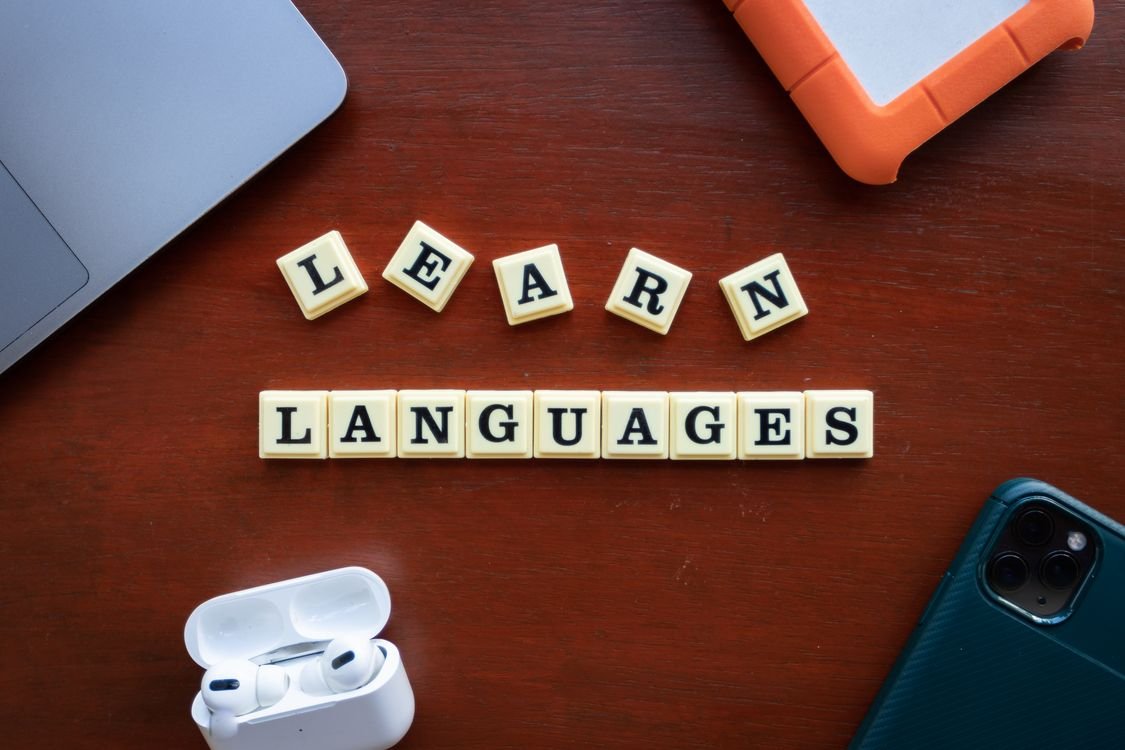
Learning a language starts with the right app. Photo: Pexels.
Learning a new language used to mean buying thick textbooks and sitting in evening classes. Today, the best free language learning apps put lessons, flashcards, speaking practice, and games in your pocket, and they cost nothing to start. But with so many apps to choose from, which ones are actually worth your time? The best free language learning apps in 2026 share a few traits: clear lessons, daily practice that fits into a few minutes, and a way to practise real words and sentences — not just tapping at pictures.
In this guide, we compare the most useful free language learning apps, explain what each one does best, and show you how to use them together to make real progress. You do not need to pay for a subscription to get started, and for many learners the free versions are enough for the first few months.
How Do Language Learning Apps Work?
Most language learning apps use a mix of short lessons, repetition, and games. A lesson usually teaches a handful of new words or a simple grammar point, then asks you to use it straight away. You might match a word to a picture, build a sentence from words, or type what you hear. The app checks your answers, gives you feedback, and brings back words you got wrong a few days later. That review step is called spaced repetition, and it is one of the most effective ways to move words into long-term memory.
Apps also use streaks and rewards to keep you coming back. A daily streak counts how many days in a row you have practised, and losing it feels like a small failure, which is the point. Points, levels, and leaderboards make practice feel like a game rather than homework. These features work, but they are not the whole story: the best apps also give you real language, such as common phrases, useful verbs, and sentences you would actually say.
Most apps start with a placement test or a short survey about your goals, your level, and how much time you have each day. They then build a plan around that. If you can only spare ten minutes a day, the plan will be lighter than if you can spare half an hour. Be honest about your time — a plan you can keep beats a plan that looks impressive but fails in the first week.
What Makes a Good Free Language App?
Before we compare apps, here is what to look for. First, the lessons should teach you to speak, not just to recognise words. An app that only asks you to tap the right picture can make you good at the app and bad at the language. Look for apps that ask you to speak aloud, write sentences, and listen to native speakers.
Second, check what is actually free. Some apps give you the full course for free and charge only for extras such as offline mode or an ad-free experience. Others limit you to a few lessons a day unless you pay. Both can be useful, but you should know the limit before you commit to an app. Third, think about the language you want to learn. Some apps cover dozens of languages, while others focus on a few and do them better. Finally, the app should fit your routine: if you learn on a bus, you need audio lessons; if you learn at a desk, a bigger screen and typing practice may matter more.
Duolingo: The Best All-Round Free App
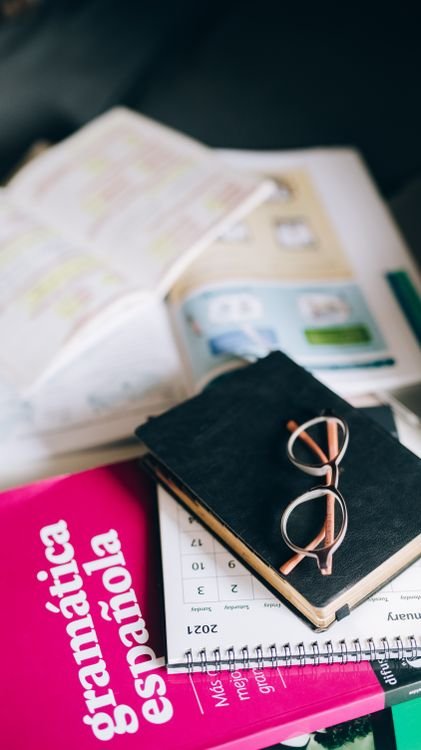
Short, regular study sessions beat long, rare ones. Photo: Pexels.
Duolingo is the best-known free language learning app, and for most beginners it is the best place to start. It covers more than 40 languages, its lessons are short and game-like, and the free version gives you full access to the courses. You earn points, keep a streak, and unlock new units as you improve. The app also includes stories, podcasts, and speaking exercises in many languages, which help you move beyond single words.
Duolingo’s weakness is that it can teach you to complete exercises without really understanding the grammar. If you use it, pair it with something else that explains rules clearly, or read the tips that come with each unit. Used that way, it is an excellent daily habit and a good way to build vocabulary.
Memrise: Best for Real Spoken Language
Memrise focuses on the language people actually speak, with video clips of native speakers using words and phrases in real situations. Its free version includes a good set of courses and the popular video-based lessons. It is stronger than most apps at teaching you to understand real, natural speech, including accents and everyday phrases.
Memrise is less structured than Duolingo, so it may not suit you if you want a clear path from beginner to intermediate. As a second app alongside a main course, though, it is one of the best ways to train your ear.
Babbel and Busuu: Best for Structured Lessons
Babbel and Busuu take a more traditional approach, with lessons that explain grammar and build up your skills in a clear order. Babbel’s free version gives you a taste of each course, with the first lesson in each category free, while Busuu lets you try a good part of its courses for free and offers feedback from native speakers on the paid plan. Both are strong if you want to understand why a sentence is built the way it is, not just memorise it.
If you are serious about a language and can spend a few pounds or dollars a month later, these are good apps to grow into. If you want to stay completely free, use their free lessons to learn the grammar basics, then keep your main practice in a fully free app.
Drops: Best for Building Vocabulary Fast
Drops is different: it focuses almost entirely on vocabulary, with short, visual lessons that last five minutes. Each word is shown with a picture, and you match, spell, and hear it. The free version gives you five minutes of practice a day, which sounds short but is enough to learn a few useful words daily. It is a great app for a quick session when you have almost no time, and it works well for languages with a different script, such as Japanese or Korean, because it teaches the characters step by step.
HelloTalk and Tandem: Best for Talking to Real People
At some point, every learner needs to talk to real people, and that is where HelloTalk and Tandem come in. These are language exchange apps that connect you with native speakers who are learning your language. You help each other, correct each other’s messages, and can practise by text or voice call. The free versions give you the core features, including text and voice chat.
Speaking to strangers takes courage, so start with text messages, which give you time to think. Most people on these apps are friendly and patient, because they are in the same position as you. Talking regularly, even for ten minutes a week, will improve your confidence more than any amount of tapping on a screen.
Anki: Best for Remembering What You Learn
Anki is a free flashcard app that uses spaced repetition to help you remember words. You can make your own cards or download decks made by other learners. It is not pretty, and it does not teach you anything on its own, but as a memory tool it is very effective. If you learn new words in another app, putting them into Anki and reviewing them for five minutes a day will make them stick.
Anki is free on Android and on the web, while the iPhone app is paid. If you use an iPhone, you can still use the free web version and study in a browser.
How to Choose the Right App for You
Start with your goal. If you want to travel in a few months and need basic phrases, Duolingo plus Drops will get you speaking quickly. If you want to hold a conversation, add HelloTalk or Tandem as soon as you know a few hundred words. If you need the language for work or an exam, a structured app such as Babbel or Busuu is a better fit.
Try two apps for a week each and keep the one you actually open every day. The best app is the one you use. A brilliant app you ignore is worth less than a simple app you enjoy. If you like keeping your study organised, read our guide to the best free note-taking apps — a good notes app is a handy place to keep the words and phrases you learn.
How to Stay Consistent With a Language App
Ten minutes a day beats two hours once a week. Short, regular practice keeps words fresh and builds a habit. Pick a fixed time, such as during your morning coffee or on the way to work, and do your lesson then. If you miss a day, do not try to catch up by doing an hour the next day; just do your normal lesson and move on.
Use the language outside the app as soon as you can. Change your phone’s language settings for a day, watch a show with subtitles in the language you are learning, or label things in your house. Even small exposure helps your brain treat the language as useful, not just a game. And keep a simple note of new words: writing them down by hand helps you remember them.
Free vs Paid: Do You Need to Pay?
For most learners, no, not at first. The free versions of Duolingo, Memrise, Drops, HelloTalk, and Anki are enough to reach a basic level. Paying usually removes ads, adds offline mode, and unlocks extra features such as unlimited hearts or personalised review. Those are nice, but they do not teach you faster.
Consider paying once you have practised for a few months and you know the app works for you. A small subscription that you actually use is good value. If you are not using it every day, cancel it and come back when you are ready. You can also explore the free TechInsures Tools hub for handy tools that help with everyday tech tasks, including organising your study.
Conclusion
The best free language learning apps in 2026 all have the same goal: to make daily practice easy and enjoyable. Duolingo is the best all-round starting point, Memrise is best for hearing real speech, Babbel and Busuu are best for structured grammar, Drops is best for quick vocabulary, HelloTalk and Tandem are best for real conversation, and Anki is best for remembering what you learn.
No app can learn a language for you, but the right combination can make it far easier. Pick one app as your main course, add a second for speaking or vocabulary, and practise a little every day. In a few months, you will be surprised how much you can understand — and how much fun it was to get there.
Frequently Asked Questions
What is the best free language learning app?
For most beginners, Duolingo is the best free language learning app because it covers many languages, is free to use, and keeps you practising daily. If you want real speech, add Memrise, and if you want to talk to people, add HelloTalk or Tandem.
Can I really learn a language with a free app?
Yes, you can reach a basic to intermediate level with free apps, especially if you combine them and practise daily. Apps teach vocabulary and grammar well, but you will also need to listen to and speak the language with real people to become fluent.
How much time should I spend on a language app each day?
Ten to twenty minutes a day is enough to make steady progress. Short, daily sessions work better than long sessions once a week, because spaced repetition helps you remember words over time.
Are free language apps better than paid ones?
Free apps are often enough for beginners and casual learners. Paid plans usually add convenience, such as offline mode and no ads, rather than better teaching. Try the free version first and only pay if you use the app every day after a few months.
Which language learning app is best for speaking practice?
HelloTalk and Tandem are best for speaking practice, because they connect you with native speakers for text and voice chat. Duolingo and Babbel also include speaking exercises, but talking to a real person builds confidence faster.